


Rachel Wagstaff on Flowers for Mrs Harris "Once I started, I couldn’t stop reading it. It was so powerful, so full of humour, and so very moving"
Lyn Gardner speaks to Rachel Wagstaff, the writer of Flowers for Mrs Harris, a musical based on the novel by Paul Gallico

The small British musical is evidently having a bit of a moment. Operation Mincemeat has made the journey from the New Diorama to the Fortune Theatre and is wowing the West End, and The Little Big Things is proving itself both a critical and word of mouth hit for producer Nica Burns at @Sohoplace.
Another little charmer comes along in the form of Flowers for Mrs Harris, Rachel Wagstaff and Richard Taylor’s musical, which arrives in London with Jenna Russell playing the title role for a nine-week run at Riverside Studios. It’s been a long wait for the show based on Paul Gallico’s 1958 novella, which enchanted at Sheffield theatres in 2016 and subsequently transferred to Chichester, but hasn’t yet been seen in London. It always felt like one of those shows that got away when, by rights, it should have found a far wider audience.
Well, London is in for a treat with a show that may at first sight seem as unassuming as its heroine—post-World War II cleaning lady Ada Harris, who spots a Dior dress at one of her client’s houses and decides she needs one. The show has been praised for its originality and has floored critics and audiences with the strength of its emotional punch, making even the most steely-hearted cry.
“Ada Harris is such a wonderful, loveable, and extraordinary character that you can’t help root for her,” says adaptor Rachel Wagstaff, who previously had a huge West End hit with her stage version of Sebastian Faulks much-loved novel, Birdsong.
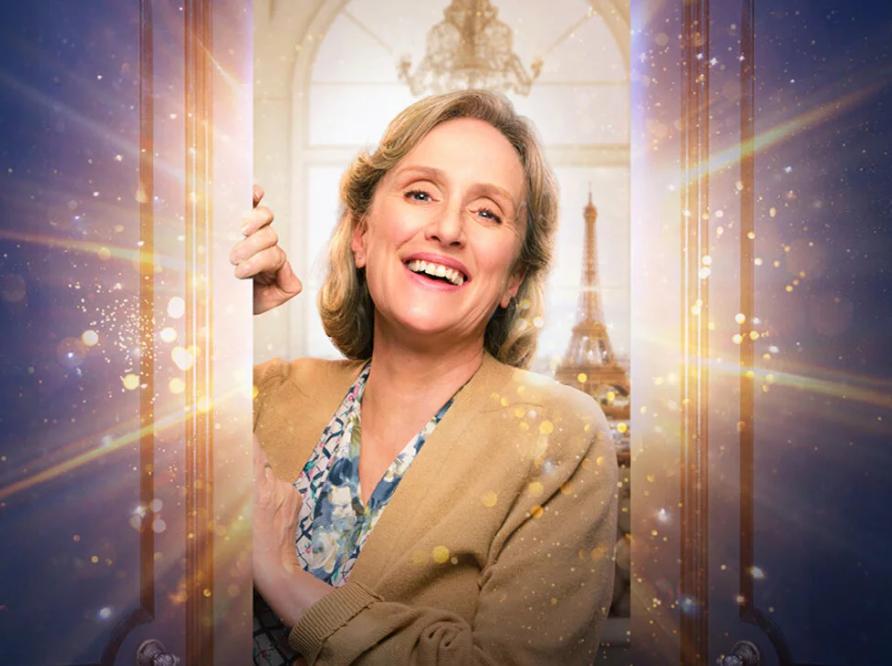 Jenna Russell in Flowers for Mrs Harris
When Wagstaff first read Gallico's novella with an eye to adapting it for a musical, it was on a 90-minute train journey to Hertfordshire. “Once I started, I couldn’t stop reading it. It was so powerful, so full of humour, and so very moving. By the time I got to St. Albans, I was in floods of tears and just knew I had to do it.”
It was a response that came straight from the heart and has found its way into Wagstaff’s book and Richard Taylor’s score. Which is why Flowers for Mrs Harris has chimed with those who have been lucky enough to catch it, making it one of Wagstaff’s favourite projects to date.
“The main criteria for me when thinking about adapting a novel is whether I feel I want to live with it for many years because that might be how long it takes, so I need to really love the novel,” says Wagstaff. “With Mrs Harris, I knew immediately I could. I’m always very aware that with adaptation comes responsibility because you are taking something that people have read and loved and turning it into something else. It’s not my job to try and make it mine or put my mark on it. All I’m trying to do is release what’s already there and making sure it works as powerfully as possible on stage.”
She makes the point that novels and plays are as different from each other as paintings and statutes, but with love, care, and skill, it is possible to turn one into another and appreciate both. Wagstaff, who is unusual in her dedication to the art of adaptation (and it is a real art and not one that every writer masters), is much in demand following the pandemic when producers know that a title that potential audiences recognise is a bonus at a time when many theatregoers have still not returned to the theatre at pre-Covid levels.
“I’ve never had so many books sent to me,” she says, and argues that there is no shame and a great deal of skill and pleasure in “giving audiences a show they want to see.” She recalls a playwright once saying to her rather snootily, "Oh, you are such a West End writer." She continues wryly: “I remember thinking, “What’s so wrong with the West End?’ Surely the dream of every writer is to have the most number of people possible see your work?” She adds, “I have friends who are brilliant, talented writers who write original stories for the stage, and they think I am very odd indeed for wanting to do adaptations, but it’s what I always wanted to do, and there is room for both.”
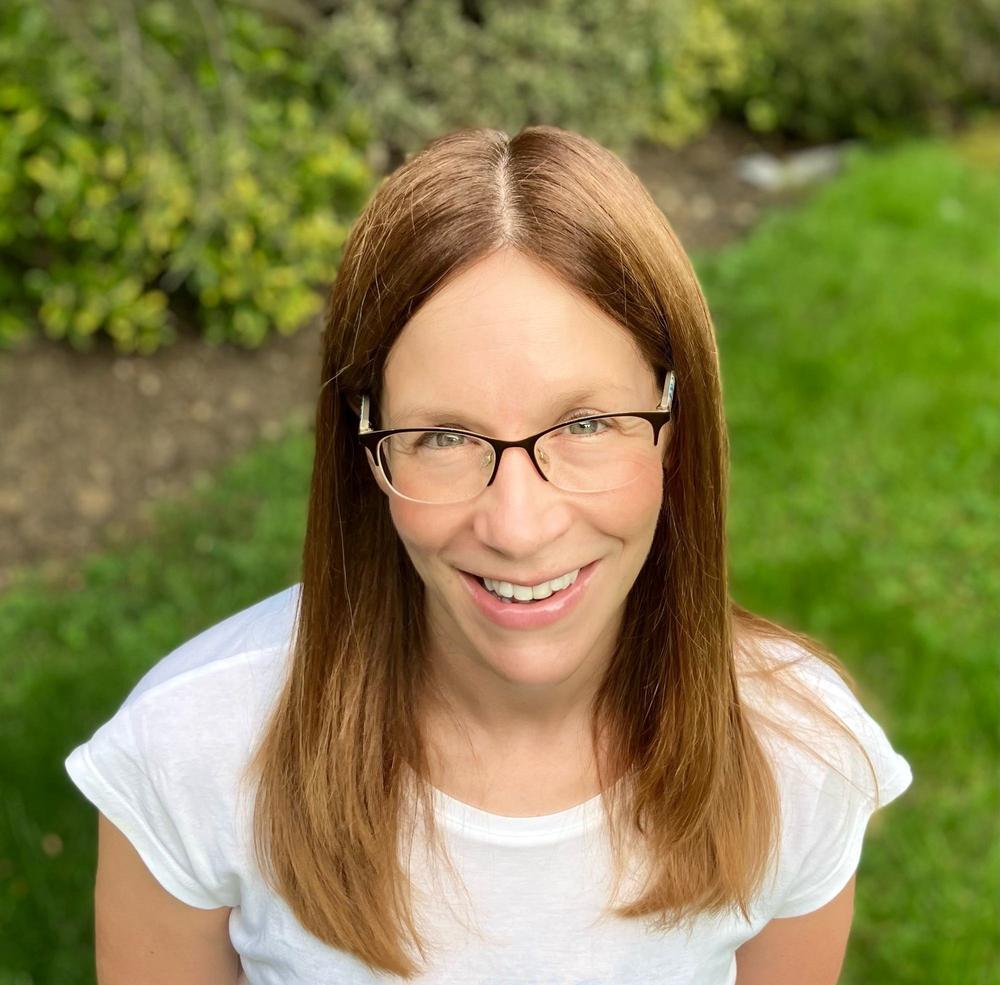 Adaptor Rachel Wagstaff
There is indeed, and in the case of Flowers for Mrs Harris, it brings a novella that has long been overlooked back to attention, and for many contemporary audiences, this will be their first encounter with Gallico’s story.
“I do think its time has come,” says Wagstaff, explaining that “it’s a story about post-war London where there is still rationing, and people are living with power cuts and so much austerity, and they have gone through so much and lost so much. This is a story about beauty and friendship, and Mrs Harris is someone who makes everyone's life around her better without even realising she is changing their lives. This isn’t a story about a woman wanting a dress. It’s about something more profound. It’s a story about someone letting go of grief. I think that’s what a lot of the stories I’ve adapted have been about: letting go of grief or finding the best way to live with it."
Flowers for Mrs Harris is performing at the Riverside Studios from 30th September - 26th November 2023. Book your tickets here.


