



Interview with Robyn Grant, writer & director of Unfortunate
Lyn Gardner sits down with Robyn Grant to discuss the new musical parody, Unfortunate: The Untold Story of Ursula the Sea Witch

“I grew up watching The Little Mermaid. I adore Disney,” says writer and director Robyn Grant. "But there is still stuff to rinse from it. I think for those of us who grew up watching The Little Mermaid over and over, there is lots of stuff to dissect.” And as Grant and her co-writers Daniel Foxx and composer Tim Gilvin are proving with the cult musical parody Unfortunate: The Untold Story of Ursula the Sea Witch, you can give an audience a whale of a time while you do.
Just as Wicked reconsiders The Wizard of Oz and in Six, the queens get to tell their story, so in Unfortunate—currently playing Southwark Playhouse’s Elephant venue for 10 weeks before heading out on a significant regional tour—the biggest queen of them all, Ursula, gets to have her say.
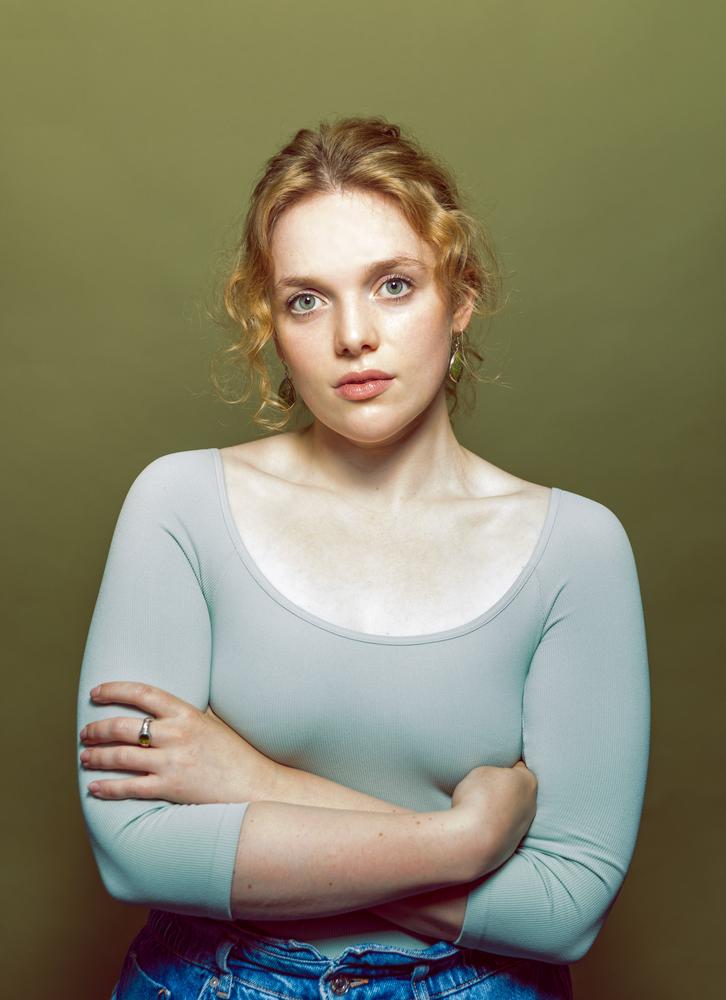
Robyn Grant, writer & director of Unfortunate
“She deserves to get her backstory, and the film doesn’t do that, so we are telling it for her: she’s fabulous and very queer-coded: fat, sexy, and naughty,” says Grant, who points out that one of Disney’s inspirations for the character was the iconic drag queen, Divine. Orange is the New Black, and Broadway actor Shawna Hamic plays Ursula, and RuPaul's Drag Race star River Medway is Ariel in a show which since it first appeared at the Edinburgh Fringe pre-pandemic, has been gradually finding its voice and a cult following. Like Six and Operation Mincemeat before it, it’s a show that is effortlessly attracting a young and enthusiastic audience of both regular theatregoers and previous non-attenders.
Grant only graduated from E15 Drama School in 2016, but she and her collaborators have already written eight musicals, ranging from Buzz, a musical history of the vibrator, to Vulvarine, a feminist superheroine musical. “I don’t have much social life,” jokes Grant about the prolific output.
She says that the musicals she and her collaborators make are defined by “powerful central female characters and explore the construction of gender and gender norms within the context of really fun, silly musicals. “We make people laugh a lot, but we also make them think. With Unfortunate, we are celebrating their childhoods and love of Disney but also questioning that story through this big, fabulous diva character and revealing what we don’t know about her. I just love the way that musical theatre can do that and evoke joy and silliness on a grand scale,” says Grant, who grew up in Leeds and cites Victoria Wood and Sally Wainwright (creator of TV hit Happy Valley) as strong influences.
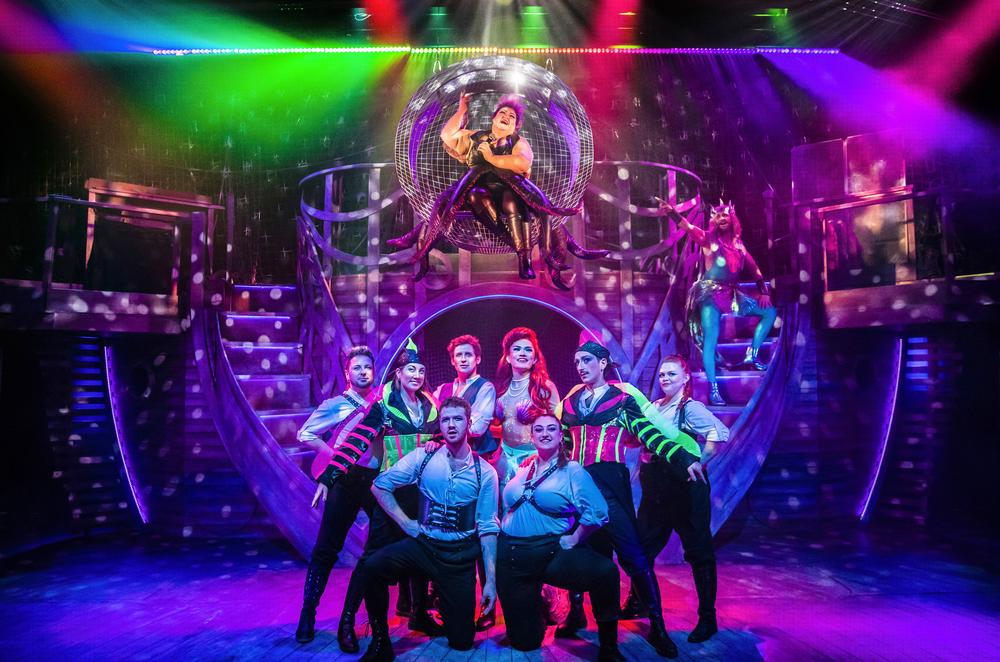
Production photo from Unfortunate
In an era in which big musicals can take years and lots of resource to develop (think of the long journey of the RSC’s Matilda from page to stage), there is something cheering about the alternative model that is beginning to emerge, which sees small-scale musicals—created as passion projects by young creatives—getting support from both the subsidised and commercial sectors.
Grant says you need that support, and she was lucky to find it early in support from venues including Birmingham Hippodrome, The Lowry and MAST Mayflower Studios, and producer Laura Elmes.
“We came from a background of doing it ourselves, but were incredibly lucky at our first Edinburgh Fringe to meet Laura. She’s very sensible and clever, and I think every theatre company needs a Laura. You can have the talent, but everyone needs a producer who can raise the money and is more business-minded. It feels like a trusted partnership.” It’s given Grant opportunities too, such as working on the 2:22 Ghost Story tour as associate director and getting a better handle on how the business works.
She’s always wanted to make work that is popular, but she points out that one of the things she likes about working in the commercial sector is the way it prioritises giving the audience a good time.
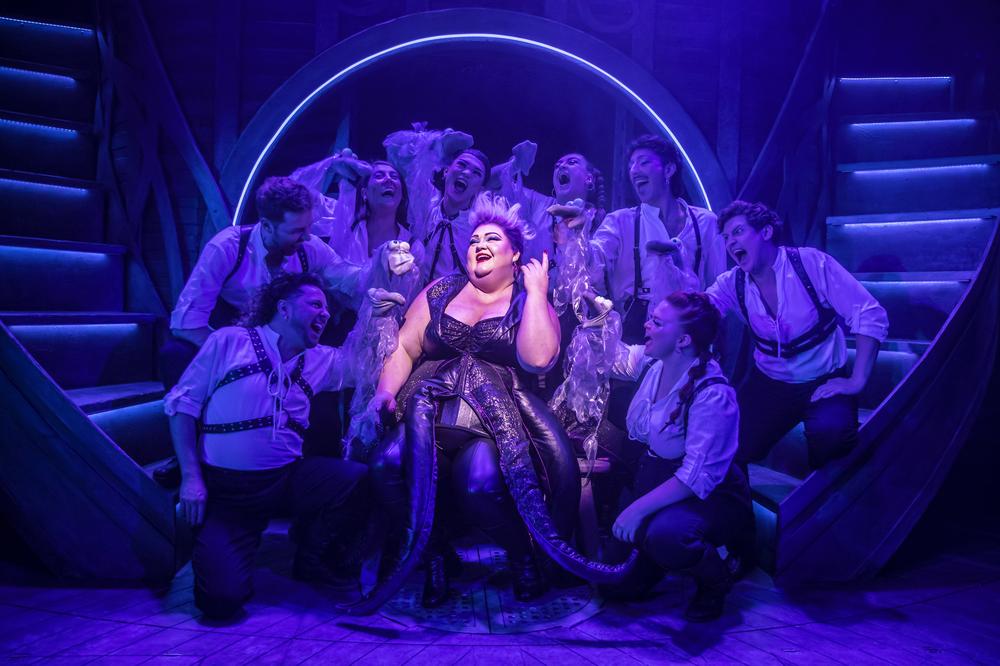
Production photo from Unfortunate
“It’s not pretentious. I come from a family that didn’t go to the theatre. When I’m making a show, I’m always thinking about my mum and her friends.” Grant is a huge fan of shows such as Everybody’s Talking About Jamie and Standing at the Sky’s Edge, both of which she saw at Sheffield Theatres, but she argues that not everyone making theatre in the regions understands what local people do and don’t want to see. “People living in the north don’t want to see a ballet about mining. It may be artistically brilliant, but they will say it's not for them.” She adds, “I think the theatre industry is oversaturated with people who feel entitled to make work that nobody wants to see. We need to think about the audience and all the people who don’t go to the theatre, children and their parents who think it’s not for them. It’s about breaking the cycle that makes people feel that the theatre is not a place or space for them.”
Unfortunate definitely isn’t for children, but it is exactly the kind of show that will entice an audience who might not think that theatre is their bag. Some in theatre may be a bit snobby about a parody Disney musical, but it is as much a piece of new writing as a new play at the Royal Court or the Bush, and theatre should be quicker to recognise it as such.
“It’s been five years of really hard work, but writing with Daniel and Tim has also been a blessing and a joy, and we have put our life and soul into it,” says Grant. “I think some people like to decide what is and isn’t art, and some people are quick to dismiss what we do without seeing it because they think that a parody musical of The Little Mermaid must be a bit trashy. But we have crafted it so carefully so it’s a structured, detailed, and very funny show. There is nothing lazy about it. Maybe theatre needs to be broader-minded about what art can be.


